
No wall contact
The contents of a box must never directly touch its inner walls. This applies to both the device and the inner box. Ensure a thick, consistent barrier of high-density padding surrounds the item at every layer.
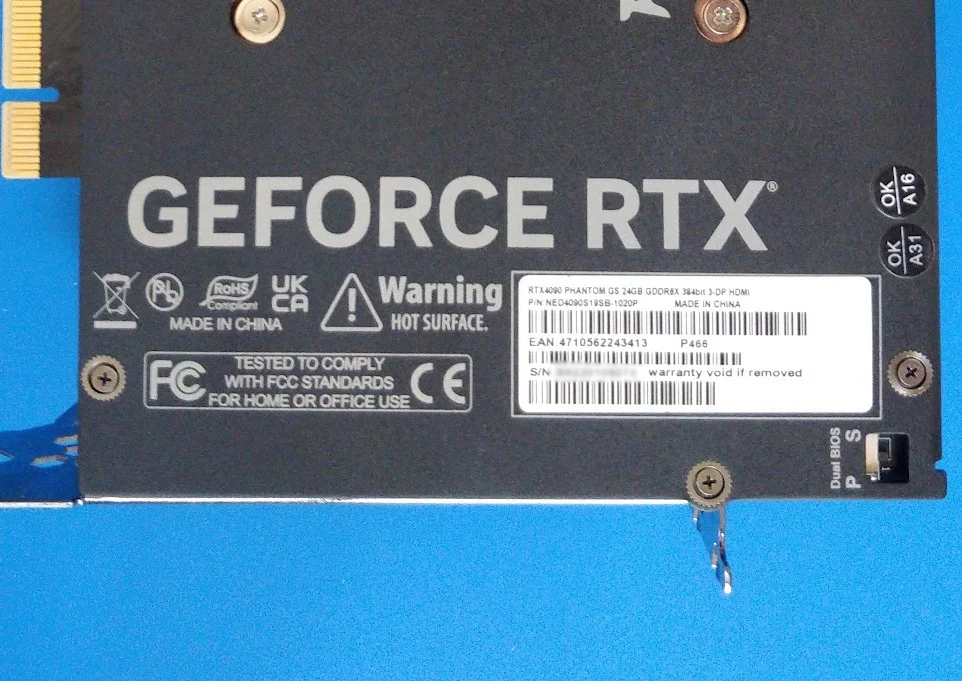
Before preparing your graphics card or laptop for its journey, take clear pictures of the completely unpacked item. Capture the overall physical condition and the serial number label.
Having clear photographic proof of the device's condition before it enters the box is essential for your protection and for any potential insurance claims in the rare event of carrier mishandling.
Please send your device fully assembled and accessories (charger, adapters, ...). This allow us to test the device thoroughly once we are done.
The contents of a box must never directly touch its inner walls. This applies to both the device and the inner box. Ensure a thick, consistent barrier of high-density padding surrounds the item at every layer.
Before sealing any box, perform a gentle shake test. If you can feel or hear the internal contents shifting even slightly, you must open it and add more padding until the item is completely stationary.
If relevant, place bare electronics, such as motherboard components or graphics cards, inside an anti-static shielding bag. Standard bubble wrap generates static electricity through friction, which could damage unshielded circuits.
If you are shipping a GPU without its original box, make sure no pressure is applied to the fans. You can place a cardboard sheet in front of the fans so they are not in direct contact with padding.
Place your shielded item into its original retail box using the factory foam inserts.
If you don't have the original packaging, use a sturdy inner cardboard box and secure the item with dense padding to prevent any internal movement.
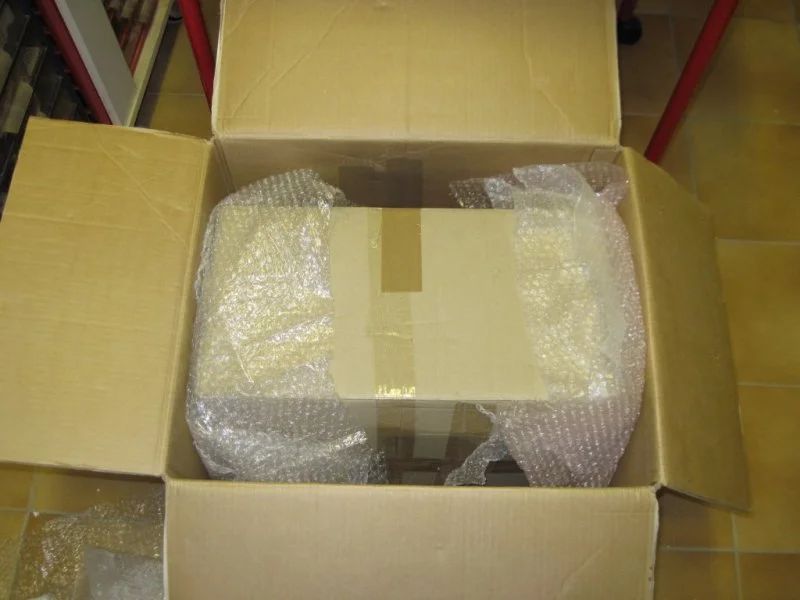
Place the closed inner box inside a second, larger cardboard box.
Fill all the surrounding void space between the inner and outer boxes with dense packing material.
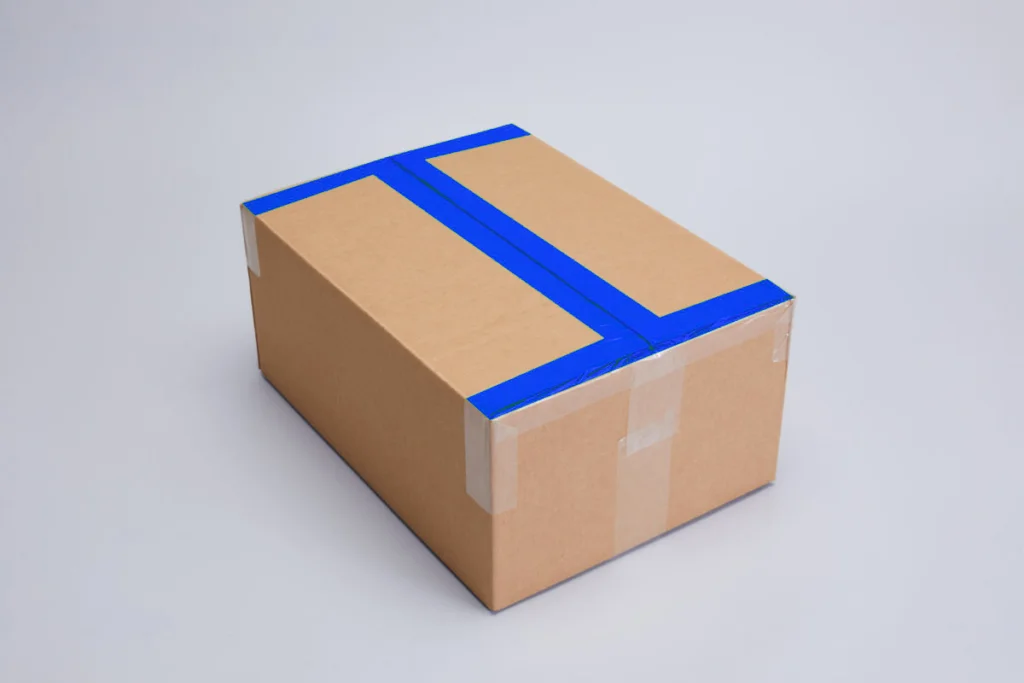
When selecting your shipping method, we recommend choosing an option that requires a signature upon delivery and insuring the package for its full value.
Take one final photograph of the sealed package clearly showing the shipping label before handing it over to the postal carrier.
You may write the tracking number directly on the box in case the label get damaged on the way.